

A Different Kind of Conversation About Divorce Is Happening
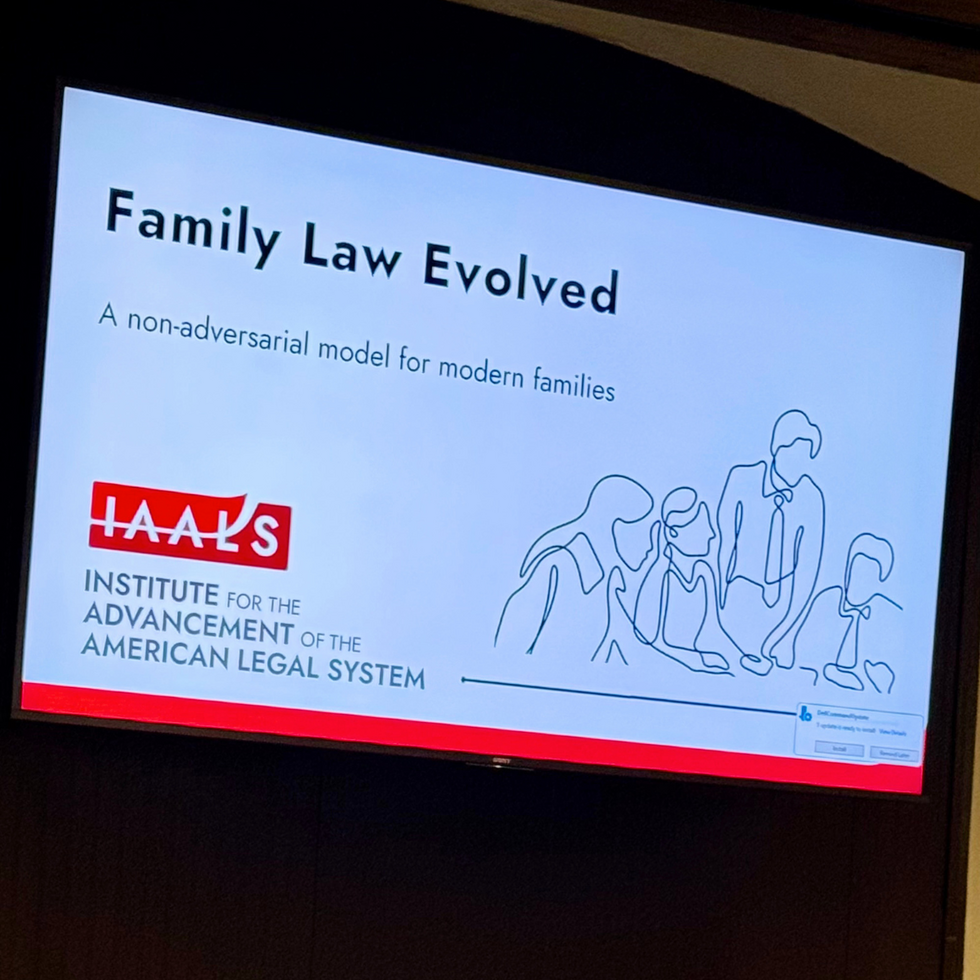
In March, I was invited to a small convening at the University of Denver's Institute for the Advancement of the American Legal System (IAALS). The focus was simple, but significant:
What would divorce look like if it were not built around an adversarial system?
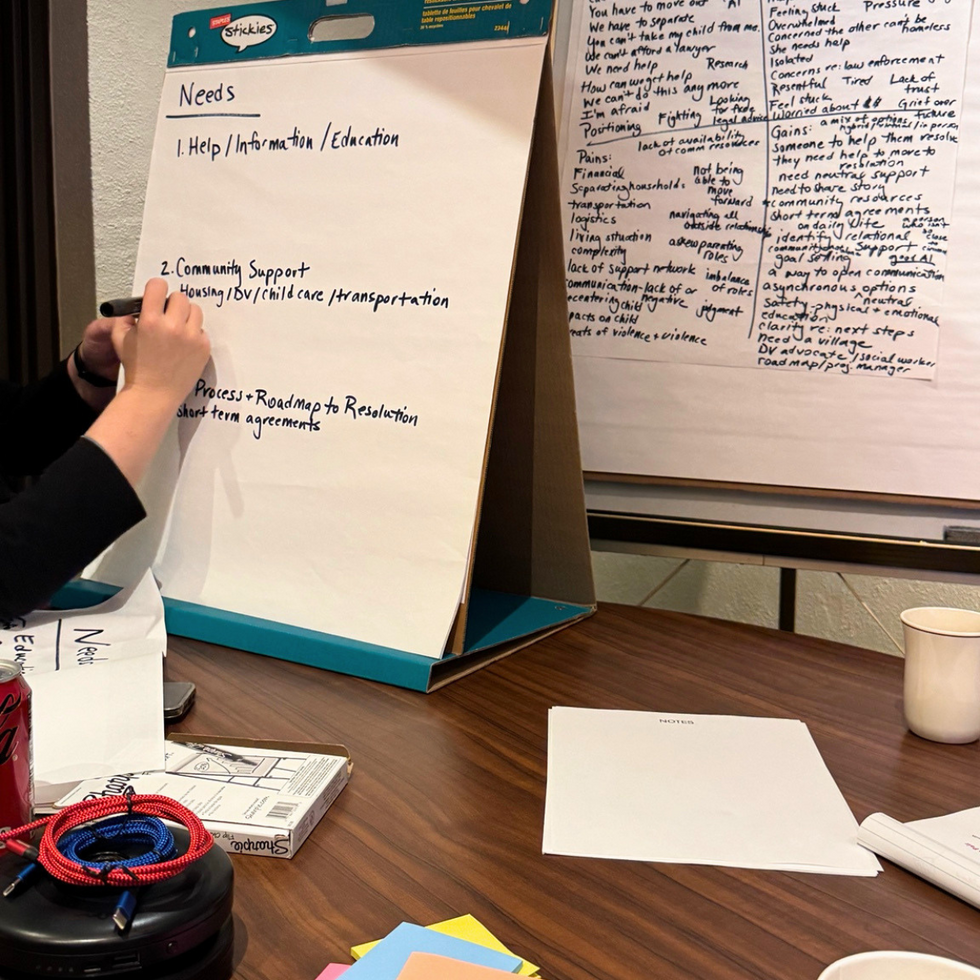
The room included judges, researchers, attorneys, mediators, and system leaders from across the country and internationally. It wasn't a conference. There were no presentations or panels. Instead, it was a working session focused on rethinking the divorce process from the ground up.
That alone is worth noting because for many years, most conversations about divorce have focused on improving the existing system, not questioning whether the system itself is the problem.
What became clear about the legal divorce process
One thing was consistent across perspectives: The current model often escalates conflict rather than resolving it.
Parents enter the process unsure of what will happen, afraid of “losing,” and often relying on advice from friends, family, or online sources that may not reflect their actual situation. Once the process begins, incentives can shift behavior in ways that increase defensiveness, posturing, or withdrawal.
This is not because people want conflict. It is because the structure they are placed into often rewards it.

The challenge with “new models” for divorce resolution
There is growing interest in non-adversarial approaches, which is encouraging. One of the more important realizations, however, from the convening is that there is unlikely to be a single “new way” that works for every family.
Every couple is different.
- -Some are able to communicate with the right structure and guidance.
- -Others are navigating high levels of fear, distrust, or outside pressures.
- -Some need more time.
- -Others need clearer boundaries.
- -Some want simplicity. Others need more support.
Trying to fit all families into one model, even a well-intentioned one, risks creating the same problems in a different form.
A more practical direction for divorce
What felt more aligned, both in the conversations at the convening and in my own experience working with families, is the idea of multiple pathways.
Instead of assuming every case should move through the same process, a better system would:
- -Offer different starting points based on the needs of the family
- -Provide clear off-ramps from court rather than defaulting to it
- -Allow for flexibility in pacing and support
- -Reduce unnecessary legal and emotional escalation early on
In other words, a system that recognizes variation rather than trying to eliminate it.
What this means for parents facing divorce
While system-level reform takes time, there is something important for parents to understand now:
You are not required to follow a path that increases conflict.
Even within the current court system, there are ways to approach divorce that are more structured, more informed, and more focused on long-term outcomes rather than short-term reactions. The challenge is that many parents don't know those options exist until they are already deep into the process.

Where divorce reform is heading
The convening was not about final answers. It was about asking better questions:
- -What actually reduces conflict?
- -Where do current processes unintentionally make things worse?
- -How do we design systems that reflect how families actually function, not how we assume they should?
Those conversations are continuing and while change at the system level will take time, the direction is clear: There is growing recognition that divorce does not have to work the way it currently does.

A shift in the professional divorce community
What stood out most to me was not any one idea, but the fact that these conversations are happening at all. Our conversations at the convening were not just about theory, but rather the lived professional experiences among people who have spent years inside the system and are now asking how it can be better.
That's a meaningful shift and one that, over time, has the potential to change how families experience divorce.
A Step for You
If you are at the beginning of a divorce and want to understand your options before taking steps that may increase conflict, there is a more thoughtful way to approach the process.
Many parents come to me before court to avoid court. Whether you are exploring mediation or simply want a clearer understanding of what lies ahead, starting with the right structure can make a meaningful difference.


Comments
There are no comments for this post. Be the first and Add your Comment below.
Leave a Comment