
A CDI Interview: From Court Battles to Kitchen Tables — Changing the Divorce Conversation
Collaborative Divorce Illinois recently interviewed Erin Birt about how families can shift the divorce experience from courtroom conflict to clarity, structure, and emotional support. Below is the edited conversation.
What inspired you to create resources for families going through divorce?
Erin Birt:
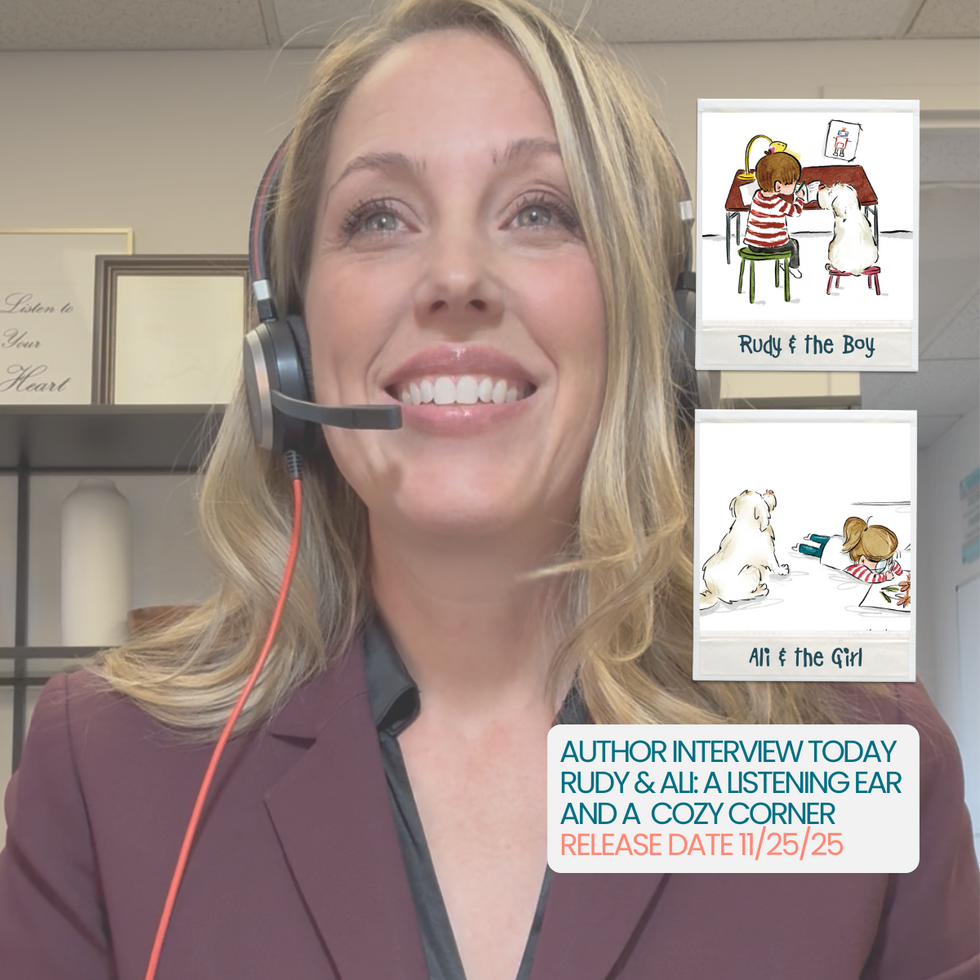
I've always wanted to put something meaningful into the hands of children and their parents—something small they could share at bedtime that sparks comfort, connection, and honest conversations about what they're going through. My new children's book will be released on November 25, and I'm really excited to finally offer families that type of resource.
My other resource, The Kitchen Table Divorce® eBook, is more of a preparatory guide for parents who are contemplating separation or divorce. It's designed to help them think about next steps, gather essential information, and understand that although this is an emotional time, there is also practical work to do. We give it to parents who feel unsure or overwhelmed so they have structure from the very beginning.
Your interview title suggests “changing the divorce conversation.” What does that mean?
Erin Birt:
Changing the conversation means shifting from a reactive, courtroom-driven process to a proactive, problem-solving approach. In traditional litigation, you're constantly responding to emergencies, motions, and conflict. Collaborative Divorce allows parents to make decisions in real time with a supportive team of professionals.
It brings the process back home—literally and figuratively. Instead of waiting for crises or for a judge to decide something about your children, you gather documents, meet with professionals who understand your family, and make thoughtful decisions with guidance. It's a calmer, more intentional conversation that leads to better outcomes.
What are the benefits of changing the tone of the divorce discussion?
Erin Birt:
There are financial benefits, of course—you save significant money by staying out of court. But what people don't always realize is the emotional savings.
When parents work with a Collaborative team, everyone's focus is on helping them move from a tough place to a healthier one. They gain knowledge they may not have had before—like budgeting, financial literacy, or understanding their children's developmental needs.
They also learn how to prepare for conversations with their kids, instead of coming home from court visibly upset and without answers. That preparation provides stability and reduces anxiety—for the parents and the children.
How does Collaborative Divorce support children more effectively?
Erin Birt:
Absolutely. Children need concrete answers, but they also need those answers in language that fits their age and stage of development.
When a parent has just come from court, their stress is visible, and children absorb it. Collaborative Divorce allows us to prepare parents ahead of time: What should you tell your child? How should you tell them? What concerns might they raise? What reassurance can you honestly offer?
It gives children stability. And it allows parents to say, “Mom and Dad are working on this,” which provides a sense of security during a time that can feel very uncertain.
You've created several tools to support families. Can you share more about them?
Erin Birt:
Over the years, I realized how much smoother the Collaborative process is when parents have clarity and preparation. So I created a few resources for different stages:
• The Kitchen Table Divorce® eBook

A simple, accessible introduction for anyone thinking about divorce. It covers what to gather, what conversations to expect, and how to start organizing information. It sets the table—literally—for a smoother process.

• Rudy & Ali: A Listening Ear & A Cozy Corner
My new children’s book, which offers a soft, calm story that helps kids understand their feelings. It weaves in lessons from my 20 years of experience, including my years as a Guardian ad Litem. At the end, there's a parenting section that gives co-parents supportive tools to help their child during the transition.

• The 90-Day Restorative Divorce® Workbook
A guided reflection tool I use with Collaborative and resolution-focused clients. It helps parents process the past in a healthy way, understand their goals, and prepare emotionally and practically for the process ahead. Clients who use it typically complete the Collaborative process more efficiently and with far less stress.
All of these tools share one purpose: giving families structure, support, and knowledge so they can move through this transition with more clarity and less overwhelm.
Any final thoughts?
Erin Birt:
I appreciate that CDI invited this conversation. My publisher will have live book links available soon, and I'm grateful for the opportunity to share these resources as families plan for a new year and a new chapter.
Interview originally conducted by Collaborative Divorce Illinois (CDI) and edited for clarity. Read the CDI Blog, here.
Explore the Restorative Divorce® Pathway
Families navigating divorce deserve clarity, structure, and support. These resources complement the Collaborative Divorce process and help parents feel prepared and informed.
The Kitchen Table Divorce® eBook
A simple, accessible guide for starting important conversations, organizing information, and preparing for a respectful, out-of-court process.
90-Day Restorative Divorce® Workbook
A guided reflection program that helps parents stay grounded, reduce overwhelm, and move through the divorce process with emotional clarity.
Rudy & Ali Children’s Book Series
A comforting, child-centered story with a parenting section that supports co-parents in helping their children express emotions and feel secure.
